Find the Best Options for a Durable and Attractive Outdoor Space
When planning to enhance your outdoor space, selecting the right materials is crucial. This choice affects both aesthetics and durability. Each type of paver material offers distinct benefits and challenges. By understanding these options, you can make an informed decision that aligns with your needs and preferences. Let’s explore different materials, their advantages, and what to consider when choosing them.
Exploring Material Options
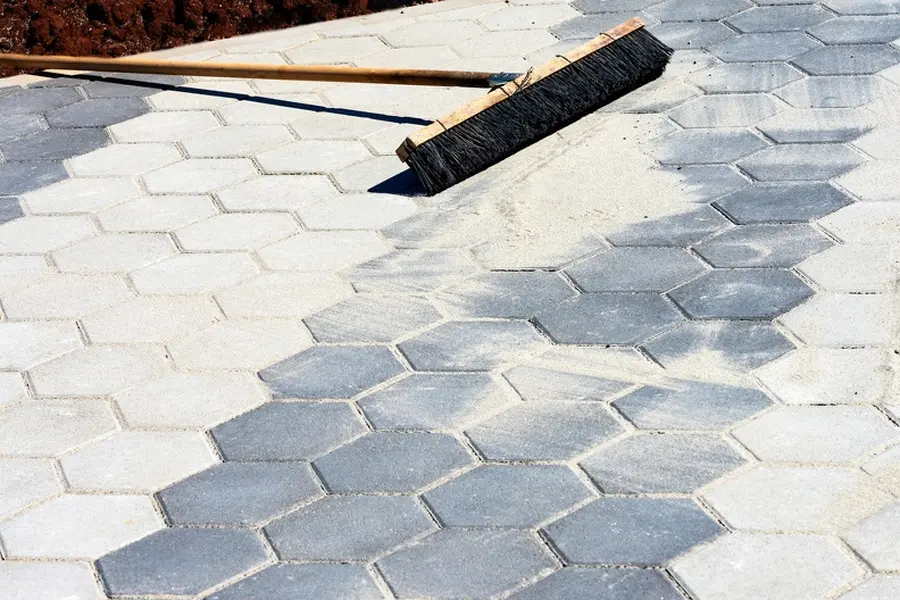
The variety of materials available for outdoor projects may seem overwhelming. Paver Installation involves choices like concrete, brick, natural stone, and porcelain. Concrete pavers are versatile and affordable, while brick offers classic charm. Natural stones like granite or limestone provide a sophisticated look, yet porcelain is known for its strength and beauty.
Understanding Benefits and Drawbacks
Each material comes with its pros and cons. Concrete pavers are easily customizable in terms of shape and color but might crack under heavy loads. Brick is durable and weather-resistant yet can be costly. Natural stone lasts long but requires regular maintenance. Porcelain boasts low porosity and high durability; however, it can be slippery when wet. Here’s a breakdown:
- Concrete: Affordable but prone to cracking
- Brick: Durable, expensive
- Natural Stone: Long-lasting, high maintenance
- Porcelain: Durable, slippery when wet
Factors Influencing Material Choice
Several factors should guide your material choice beyond appearance. These include climate conditions, intended use, budget constraints, and personal style. If you live in an area with extreme weather changes, choose materials that withstand expansion and contraction. Consider usage patterns; areas with heavy foot traffic require sturdier materials. Budget limitations also play a role in determining what you can afford without compromising on quality.
Steps for Successful Installation
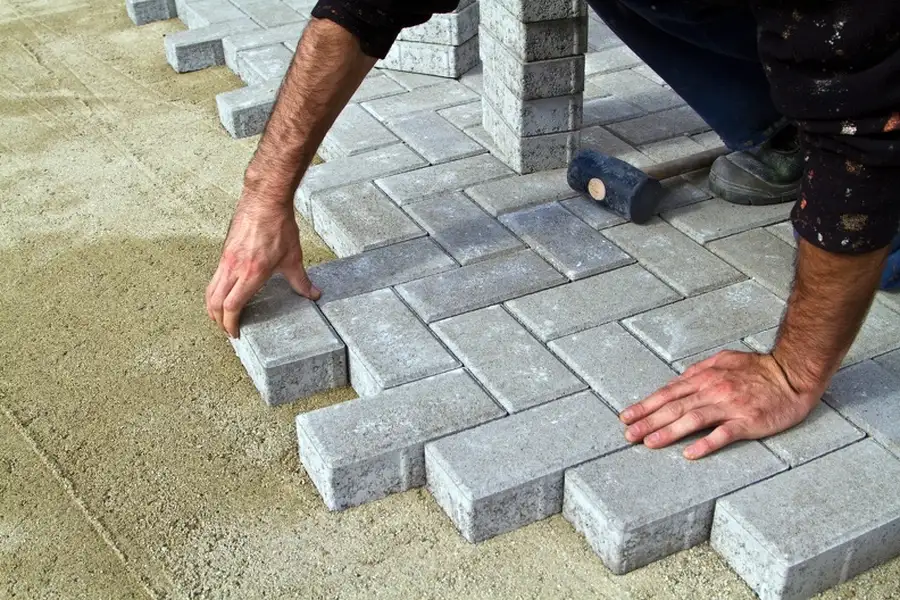
A successful installation ensures longevity and functionality. Start by measuring the area accurately to determine the quantity of materials needed. Prepare the ground properly by removing debris and leveling the surface. Follow this with laying a solid base layer to support the pavers. Finally, arrange the chosen materials carefully and fill joints with sand for stability. Paver Installation doesn’t just stop at picking materials-execution matters too.
Best Practices for Durability
Adopting best practices ensures your installation stands the test of time. Regular cleaning prevents stains and weed growth between pavers. Applying sealant protects against moisture damage, enhancing color retention. Conducting periodic inspections helps identify potential issues early on, preventing costly repairs later. Consistent upkeep makes your investment worthwhile.
Budget-Friendly Solutions
Quality need not suffer due to budget constraints. Opt for locally sourced materials to reduce costs associated with transportation. Consider composite options that mimic the look of natural stone at a fraction of the price. Investing in professional advice can help optimize spending by avoiding common pitfalls during selection or installation processes.
Your Next Steps to A Perfect Outdoor Space
Selecting the right paver materials impacts both function and form of your project. By weighing factors such as climate, usage, and budget alongside potential downsides, you arrive at an informed choice tailored to your needs. Contact us today at (928) 227-6255 to learn more about enhancing your outdoor spaces. Based in Prescott Valley, AZ, we specialize in transforming landscapes into beautiful, functional areas. Partner with Golden Rule for professional guidance throughout your journey.